Are you exhausted by the skyrocketing prices of the traditional American housing market? You aren’t alone. Millions of prospective homeowners are searching for viable off-ramps from crippling thirty-year mortgages and cookie-cutter subdivisions. We are witnessing a massive cultural shift toward alternative housing.
Right at the forefront of this movement sits the corrugated steel giant: container homes. They dominate our social media feeds with stunning, industrial-chic aesthetics. But looking past the glossy Instagram filters, we have to ask a hard question.
Is shipping container architecture a legitimate, long-term housing solution? Or are we simply romanticizing glorified steel boxes? Let’s strip away the hype and examine the structural, financial, and practical realities of building with cargo containers.
Many buyers assume that grabbing a used “High Cube” container instantly solves their housing woes. That’s a massive misconception. Turning a commercial freight box into a fully compliant, comfortable residence requires a deep understanding of modern engineering.
We need to explore what actually goes into making these structures livable. From cutting through thick corten steel to navigating strict municipal zoning laws, the journey is incredibly complex. Let’s dive into the gritty details.
The Raw Appeal of Shipping Container Architecture
Why are so many Americans drawn to these massive steel blocks? The answer lies in a brilliant combination of eco-consciousness and industrial durability. When you repurpose a used shipping container, you are participating in a massive upcycling initiative.
This strikes a chord with the modern push for sustainable building practices. Instead of melting down millions of pounds of abandoned steel, we give these structures a second, beautiful life. It drastically reduces the carbon footprint associated with manufacturing raw building materials.
Beyond the environmental perks, the sheer structural integrity is mind-boggling. Cargo containers are engineered to withstand brutal ocean storms, heavy impacts, and massive weight loads. I once consulted with a client in coastal Florida who specifically chose this route for absolute hurricane resilience.
When securely anchored to a proper foundation, a container home can withstand winds exceeding 150 miles per hour. That kind of peace of mind is priceless in extreme weather zones. Plus, the inherent modularity allows for incredibly creative designs.
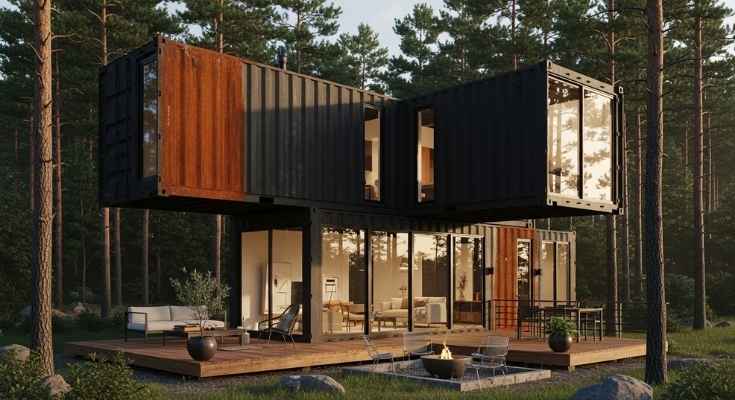
You can stack them like giant Lego blocks, cantilever them over hillsides, or arrange them to create stunning central courtyards. The architectural possibilities are virtually limitless. However, achieving that high-end look requires serious structural reinforcement.
Every time you cut out a section for a window or a door, you compromise the box’s structural integrity. You must weld in heavy-duty steel framing to distribute the load. It’s a delicate dance between maintaining the raw aesthetic and ensuring the roof doesn’t cave in.
Decoding the Costs: Are They Really Cheaper?
Let’s address the elephant in the room: the financial reality. Are container homes actually cheaper than traditional stick-built houses? The short answer is yes, but probably not by the drastic margins you see on clickbait YouTube thumbnails.
The raw shell itself is remarkably affordable. You can purchase a used 40-foot container for anywhere between $2,500 and $5,000, depending on your location and the container’s condition. But the shell is merely the canvas; the real expenses lie in the transformation.
You still need a solid concrete foundation, plumbing, electrical wiring, and a reliable roof. Furthermore, securing financing for alternative housing can be an uphill battle. Traditional mortgage lenders often balk at unconventional builds because they lack standard comparable sales (comps) in the area.
This means you might need to explore specialized construction loans or leverage a Home Equity Line of Credit (HELOC) if you own existing property. Some specialized lenders are finally waking up to the demand, offering bespoke loan products tailored for non-traditional builds. If you are planning to fund this through a personal loan, ensure you shop around for the most competitive interest rates.
Labor costs also fluctuate wildly. If you possess welding skills and heavy machinery experience, your sweat equity will save you tens of thousands of dollars. Conversely, hiring specialized contractors who understand the nuances of working with corten steel will drive your budget upward rapidly.
To keep costs manageable, meticulous front-end planning is non-negotiable. Draft your blueprints down to the exact millimeter before purchasing your first piece of steel. A well-planned container build can still save you 15% to 20% compared to a traditional home, provided you manage your contractors ruthlessly.
Insulation and Climate Control Strategies
One of the most unforgiving aspects of living inside a steel box is thermal conductivity. Steel is a phenomenal conductor of heat and cold. Without a top-tier insulation strategy, your modern masterpiece will feel like an oven in the summer and an icebox in the winter.
This isn’t an area where you can afford to cut corners. Forget about cheap fiberglass batts; they simply won’t cut it against a solid metal wall. The absolute gold standard for container homes is closed-cell spray foam insulation.
Spray foam acts as both an incredible thermal barrier and an absolute vapor retarder. Condensation is the mortal enemy of shipping container architecture. When warm interior air hits cold external steel, moisture forms instantly, leading to devastating hidden rust and dangerous black mold.
By applying a seamless two-inch layer of closed-cell foam directly to the corrugated steel, you completely eliminate the air gap where condensation thrives. Yes, spray foam is significantly more expensive upfront than traditional insulation methods. However, the long-term energy savings and protection against structural degradation make it a mandatory investment.
Another brilliant strategy is framing the interior walls slightly off the steel surface. This creates a thermal break, preventing the steel’s temperature from transferring directly to your interior drywall. Combine this with strategic window placement for cross-ventilation, and your climate control becomes incredibly efficient.
I highly recommend investing in a mini-split HVAC system. They are hyper-efficient, require zero ductwork, and are perfectly sized for the compact footprint of alternative housing. Proper climate control is the deciding factor between a miserable steel shed and a luxurious modern sanctuary.
Navigating Sustainable Building and Zoning Laws
You have your design, your financing is locked in, and you’re ready to buy your containers. Stop right there. Before you spend a single dime, you must conquer the local zoning department.
In the United States, building codes are heavily localized, changing drastically from one county to the next. Some rural areas are incredibly relaxed, practically letting you build whatever you want on your own land. Conversely, strict urban and suburban municipalities might ban alternative housing outright.
Many local planning boards simply don’t understand shipping container architecture yet. They hear “container” and immediately picture a rusty, industrial eyesore lowering neighborhood property values. It is your job to educate them.
Show up to your zoning meetings armed with professional, engineer-stamped blueprints. Bring high-quality 3D renderings of the finished home to prove it will elevate the local aesthetic. When officials see a sleek, modern design rather than a scrap metal project, their resistance often crumbles.
You must also ensure your design complies with the International Residential Code (IRC). Pay close attention to minimum square footage requirements and room dimension mandates. Often, the narrow interior width of a standard container (about 7 feet 8 inches after insulation and drywall) triggers red flags with outdated building inspectors.
To bypass this, many builders combine two containers side-by-side, cutting out the adjoining walls to create a spacious, code-compliant living area. Patience is your greatest asset here. Securing permits for innovative builds takes time, persistence, and a willingness to compromise with local officials.
Tiny House Construction vs. Container Homes
When discussing downsizing, the conversation inevitably turns to a direct comparison. How do container builds stack up against traditional tiny house construction? Both offer financial freedom and a minimalist lifestyle, but they cater to very different needs.
Traditional tiny homes on wheels (THOWs) offer unparalleled mobility. If you want to chase the seasons or avoid paying property taxes, a high-end tiny house is incredibly appealing. However, they are legally classified as RVs in many jurisdictions, which creates a whole different set of zoning headaches.
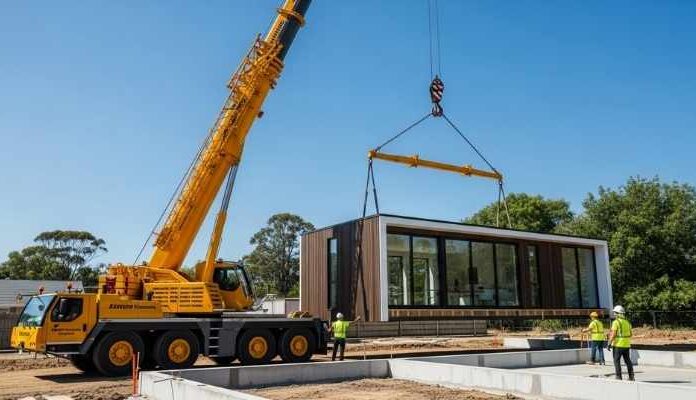
Container homes, on the other hand, are permanent fixtures. Once craned onto a poured concrete foundation, they aren’t going anywhere. This permanence makes them feel much more like a traditional home, which is highly attractive to long-term property investors and lenders.
From a structural standpoint, the steel container wins hands down. Wooden tiny homes, while beautiful, are constantly subjected to road vibrations and wind shear if moved frequently. A container home offers a bomb-proof shell that requires virtually zero exterior maintenance if properly treated with rust-inhibiting marine paint.
Ultimately, your choice depends on your lifestyle goals. Do you crave nomadic freedom, or do you want a permanent, indestructible modern fortress? Both are phenomenal pathways to escaping the traditional debt cycle.
The Final Blueprint
The verdict is clear. Shipping container homes have long outgrown their status as a fleeting architectural fad. When executed with precision, they represent a highly durable, eco-friendly, and cost-effective approach to modern living.
They challenge the outdated norms of the housing industry, proving that luxury and sustainability can exist within a recycled steel shell. Success, however, requires rigorous planning, an ironclad understanding of insulation, and the patience to navigate bureaucratic red tape.
Are you ready to break free from traditional housing constraints and design your own modular sanctuary?
Frequently Asked Questions (FAQs)
Do shipping container homes hold their value?
Yes, well-built container homes that are permanently affixed to a foundation appreciate in value similarly to traditional homes. The key is ensuring the design is fully permitted and built to local residential codes. Unpermitted, off-grid builds generally do not appreciate well.
How long do container homes last?
With proper rust mitigation and regular maintenance, a container home can easily last over 50 years. Treating the exterior corten steel with high-quality marine-grade paint is vital. Your roof and foundation will likely need attention long before the steel shell degrades.
Are container homes safe in a tornado?
Absolutely. When securely bolted to a deeply poured concrete foundation, shipping containers are incredibly resistant to extreme weather. Their heavy steel construction offers far more impact resistance against flying debris than standard wood-frame houses.
Can I get a standard mortgage for a container home?
It is becoming easier, but it remains a challenge. Lenders need comparable sales to issue a standard mortgage. You will likely have better luck securing a specialized construction loan or utilizing alternative financing methods through specialized lenders.