Staring down a general contractor’s initial estimate can feel like taking a sudden punch to the gut. You mapped out a gorgeous open-concept kitchen on Pinterest, but the numbers on that clipboard look closer to a down payment on a luxury yacht.
We have all been there. You start with a modest vision for your living space, and suddenly, the expenses snowball rapidly out of control. But keeping your bank account intact doesn’t mean you have to settle for peeling linoleum or off-brand fixtures.
By adopting a shrewd, project-manager mindset, you can effectively slash those bloated figures. We are going to walk through the exact, hard-hitting strategies savvy homeowners use to shave five figures off their bottom line. Let’s dig right into the gritty details of keeping your hard-earned cash where it belongs.
Master Your Home Renovation Budget Before the Sledgehammer Swings
Failing to plan is essentially planning to go broke. The single biggest financial mistake enthusiastic homeowners make is tearing down drywall without a bulletproof financial blueprint.
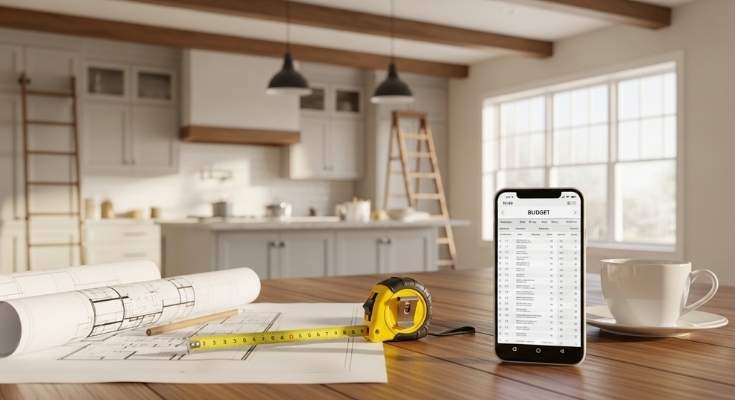
A realistic home renovation budget is not just a rough guess jotted on the back of an envelope. It requires a meticulous, line-item spreadsheet tracking every single screw, gallon of primer, and estimated labor hour.
The Golden 20% Contingency Cushion
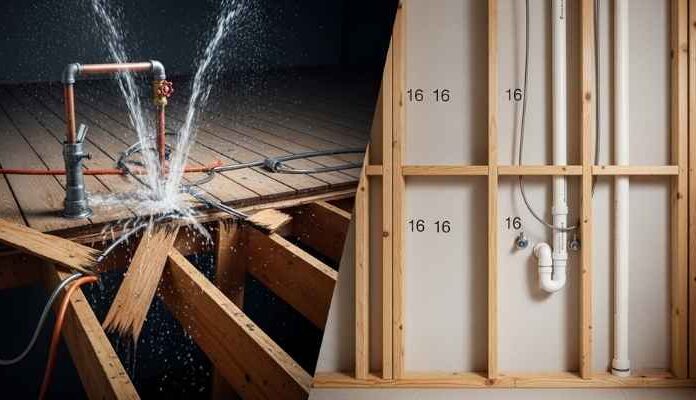
Unexpected, expensive disasters will happen behind closed walls. You might open up a ceiling only to find outdated knob-and-tube wiring or hidden water damage from a slow roof leak.
If you haven’t aggressively baked a 20% contingency fund into your baseline calculations, those surprises will instantly derail your progress. Pad your initial numbers heavily from day one. When the inevitable structural hiccups occur, you will simply pivot instead of panicking.
Furthermore, absolutely never authorize a “change order” unless it is strictly necessary for building safety or structural integrity. Contractors make their highest margins on these mid-project mind changes, so locking in your design choices early is vital.
Source Affordable Building Materials Like an Industry Insider
Big-box home improvement stores offer undeniable convenience, but you pay a massive premium for that brightly lit luxury. If you genuinely want to keep your spending down, you have to completely stop buying retail.
Scouring the secondary market is where the real financial magic happens. You would be absolutely shocked at the high-end, designer inventory currently sitting in salvage yards or liquidation warehouses collecting dust.
Unearthing Overstock Goldmines
Make it a habit to regularly check places like the Habitat for Humanity ReStore or your local architectural salvage depots. Builders frequently donate brand-new, leftover supplies from massive commercial jobs just to clear their staging yards.
You can routinely find solid oak doors, premium quartz offcuts, and high-end light fixtures for pennies on the dollar. Sourcing affordable building materials requires patience and a willingness to hunt, but the payoff is immense.
Additionally, aggressively scour online platforms like Craigslist or Facebook Marketplace for individuals over-ordering tile or hardwood. People constantly miscalculate their square footage and sell the unopened surplus at a steep, desperate discount just to reclaim their garage space.
Strategic Sweat Equity: Knowing When to DIY
You absolutely do not need a state contractor’s license to wield a heavy crowbar or a paintbrush. Taking over the labor-intensive, low-skill tasks yourself is the absolute fastest way to save money on construction.
Skilled tradesmen charge anywhere from $50 to $150 an hour depending on your zip code. Paying them those premium rates to haul trash to the driveway dumpster or peel off old wallpaper is financial madness.
The Art of the Weekend Warrior
Tackle the heavy demolition phase yourself. Renting a roll-off dumpster and inviting some friends over for a weekend of smashing outdated cabinets can easily knock $2,000 right off a kitchen estimate.
Just be absolutely, one-hundred-percent certain you know exactly which walls are load-bearing and where the plumbing lines run before you start swinging. Once the pros finish the complex framing and sheetrock, step back in for the finishing touches.
Painting walls, installing baseboards, and laying down simple floating floors are all incredibly learnable weekend skills. Leave the dangerous electrical panels and gas lines to the licensed professionals, but boldly claim the easy labor for your own wallet.
High-Impact, Cheap Home Upgrades That Fake Luxury
Gutting a room completely down to the studs is not always necessary. Sometimes, a clever cosmetic facelift delivers the exact same visual impact as a total rebuild for a fraction of the price.
Instead of ripping out structurally sound kitchen cabinets, deeply consider professional refacing or a high-quality, sprayed paint job. Swapping out dated, heavy oak cathedral doors for sleek shaker-style fronts instantly modernizes an entire space.
Hardware and Lighting Hacks
Never underestimate the raw, transformative power of jewelry for your home. Swapping out cheap builder-grade cabinet pulls, doorknobs, and sink faucets for brushed brass or matte black fixtures completely elevates a room’s aesthetic.
These are remarkably cheap home upgrades that anyone can easily install with a single Phillips-head screwdriver in an afternoon. Pair that hardware swap with strategic lighting changes, like adding under-cabinet LED strips or a striking, oversized pendant light over the kitchen island.
If your guest bathroom tile looks hopelessly dingy, do not immediately smash it out with a hammer. A professional epoxy reglazing treatment can make a tired 1980s pink bathtub look like brand-new, sparkling white porcelain for well under $500.
Navigating the Trap of Hidden Remodeling Costs
The bold price you see printed on an initial bid is almost never the final price you end up paying at the end of the job. Scope creep is the silent, deadly budget killer in the real estate world.
Every single time you ask the plumber to move a sink “just a few inches to the left,” you unknowingly trigger a massive cascade of expensive modifications. Stick relentlessly to the existing footprint of your home whenever humanly possible.
Keeping the Plumbing and Electrical in Place
Moving water and waste lines requires tearing up subfloors, drilling through foundational joists, and securing expensive new city permits. If you leave the toilet, sink, and shower exactly where they currently sit, you instantly bypass massive remodeling costs.
The exact same golden rule applies to load-bearing walls. Opening up a chopped-up floor plan sounds incredible when you watch HGTV, but fabricating and installing a massive steel I-beam to support your second floor is shockingly expensive.
Work intelligently with your home’s existing, unique architecture. By designing cleverly around the current layout, you preserve the structural integrity and keep thousands of dollars safely locked in your bank account.
Bring Your Vision to Life Without Going Broke
Transforming your living space should never require draining your hard-earned retirement savings or taking out a predatory secondary loan. With disciplined planning, unyielding boundaries, and a willingness to hustle, stunning home transformations are entirely within your reach.
By sourcing materials creatively and knowing exactly when to pick up a hammer yourself, those massive five-figure savings become a tangible reality. Do not let intimidating contractor estimates bully you into entirely abandoning your dream home.
Ready to take the plunge on your next massive property project? Grab a tape measure, start aggressively scouring those local salvage yards today, and drop a comment below letting us know which specific room you plan to tackle first!
Frequently Asked Questions
How can I effectively manage a home renovation budget during inflationary periods?
Always lock in your material costs by purchasing supplies as early as possible and storing them securely on-site. Track every single receipt in a dedicated spreadsheet, and never touch your 20% contingency fund for purely cosmetic upgrades.
What is the best way to save money on construction labor?
Act as your own general contractor if you have the organizational skills to manage subcontractors directly. Additionally, handle all the site prep, daily cleanup, and low-skill demolition yourself to eliminate expensive hourly labor charges.
Where can I find genuinely affordable building materials locally?
Beyond the Habitat for Humanity ReStore, seek out local architectural salvage yards, local auction houses, and commercial liquidators. You can also set up daily alerts on Facebook Marketplace and Craigslist for surplus materials left over from other people’s finished projects.
What are the most reliable, cheap home upgrades for a high return on investment?
Fresh, neutral interior paint and modern cabinet hardware offer the absolute highest ROI for the lowest upfront cost. Upgrading exterior curb appeal with a new front door color and updated house numbers also dramatically changes the property vibe for under $100.
How do I avoid surprise remodeling costs once a project begins?
Never alter the location of your major plumbing or electrical mainlines unless absolutely necessary. Conduct a thorough structural inspection before finalizing your design, and aggressively refuse to make impulsive “change orders” once the physical work has commenced.