Dreaming of a custom-built home tucked away on a pristine, untouched parcel? We completely understand the allure. Endlessly scrolling through real estate listings for existing properties often ends in bitter compromise, forcing you to settle for cramped floor plans or outdated, claustrophobic kitchens.
Yet, the moment you decide to build from scratch, a towering financial roadblock suddenly materializes. Traditional mortgages simply will not cover a structure that does not physically exist yet.
Funding a ground-up custom build requires highly specialized financing. Navigating that bureaucratic labyrinth legitimately terrifies most prospective buyers. You absolutely need a rock-solid, foolproof strategy.
We are going to dissect exactly how to secure a land and construction loan without sacrificing your sanity. Forget the convoluted banking jargon and confusing underwriting requirements. We will explore the absolute smartest pathways to seamlessly fund your dirt and your dream home simultaneously.
Decoding the Land and Construction Loan Maze
Securing a conventional mortgage feels like an absolute breeze compared to funding a ground-up custom build. Commercial lenders inherently despise risk and unpredictability. To an underwriter sitting in a cubicle, an empty dirt lot represents a massive, terrifying gamble compared to a move-in-ready suburban asset.
Because there is absolutely no physical collateral to repossess if you default on the payments, interest rates on these specialized products inevitably run higher. You are essentially asking a massive financial institution to blindly trust a set of architectural blueprints.
That dynamic is exactly why a land and construction loan operates vastly differently than your standard 30-year fixed-rate product. Instead of handing you a massive lump sum at closing, the bank methodically disperses funds in staged “draws.”
These payouts only occur as your builder successfully completes specific, verifiable milestones. An appraiser will literally drive to the site to confirm the foundation is poured before the bank releases the next check to your contractor.
During this active building phase, you generally only pay interest on the money that has been drawn so far. This strategic structure keeps your monthly cash outflow incredibly manageable while you are likely still paying rent or a mortgage somewhere else. Once the final municipal inspection clears, the debt magically converts into a standard, permanent mortgage.
The Reality of Vacant Land Financing
Securing the dirt itself is routinely your first major, stress-inducing hurdle. Eager buyers frequently assume they can just grab a cheap, wooded parcel and figure out the complex building logistics later. Unfortunately, securing standalone vacant land financing demands incredibly strict, unforgiving requirements.
Financial institutions forcefully categorize lots into three distinct buckets: raw, unimproved, and improved. Raw land completely lacks basic, necessary utilities or even paved road access, making it incredibly difficult for a bank to monetize. Consequently, banks will typically demand a staggering 50% down payment for a raw earth purchase.
Improved lots, however, are already seamlessly outfitted with municipal water, sewer lines, and electrical grids. When you target an improved parcel nestled within a burgeoning suburban subdivision, lenders instantly breathe a massive sigh of relief. Expect required down payments to hover around a much more reasonable 10% to 20% for these ready-to-build sites.
I once consulted with an ambitious couple who purchased dirt-cheap raw land in rural Texas, only to horrifically discover the cost of running utility lines far exceeded the land’s actual purchase price. Always prioritize securing an improved lot if you plan to build immediately. Doing so drastically simplifies and expedites your real estate loan approval process.
Mastering the Lot Purchase and Build Loan (Single-Close)
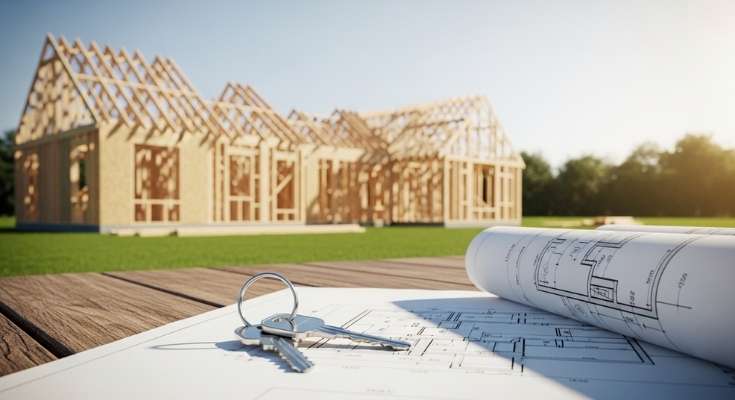
Why subject yourself to two completely separate, agonizing loan applications when you can bundle everything together? The lot purchase and build loan, widely known in the industry as a single-close construction-to-permanent loan, represents the absolute holy grail for custom builders. You only sit down to sign a towering stack of closing paperwork once.
This incredibly streamlined approach comprehensively covers the land acquisition, the intensive physical labor, the raw materials, and the final permanent mortgage. You intelligently lock in your interest rate entirely upfront. This crucial move permanently shields you from unpredictable market volatility during the six to twelve agonizing months of construction.
By actively avoiding a second, redundant closing process once the house is physically finished, you inherently save thousands of dollars. You bypass double origination fees, secondary appraisals, and duplicated title searches entirely. It is undoubtedly an incredibly efficient, cost-effective financial vehicle.
However, you must be prepared; the qualification bar sits exceptionally high for this product. Lenders will rigorously and ruthlessly scrutinize your credit score, your debt-to-income ratio, and your chosen general contractor. Your builder must be fully licensed, bonded, insured, and thoroughly vetted by the bank’s risk department before a single shovel hits the dirt.
Exploring Government-Backed Real Estate Loan Options
You might mistakenly assume that custom home building is an elite privilege reserved exclusively for the ultra-wealthy hoarding massive piles of liquid cash. Thankfully, robust government-backed housing programs have aggressively leveled the playing field for hardworking, everyday Americans.
The FHA One-Time Close loan operates as a phenomenal, little-known secret weapon in the housing market. It beautifully allows you to finance the land, the construction costs, and the permanent mortgage with a shockingly low down payment of just 3.5%. Furthermore, you absolutely do not need a flawless, pristine 800 credit score to successfully qualify for this federal program.
United States military veterans possess an even stronger, almost unbelievable financial advantage. VA construction loans genuinely offer 100% financing for qualified service members. Yes, you read that correctly; eligible veterans can actively secure the land and build their custom sanctuary with absolutely zero dollars down and zero private mortgage insurance required.
For ambitious families specifically eyeing sprawling, rural properties, the USDA construction-to-permanent loan functions quite similarly, offering an incredible zero-down financing path. The primary stipulation? The physical property must sit squarely within a federally designated rural zone, and your total household income cannot exceed strictly monitored regional limits.
Insider Strategies to Ensure Your Funding Gets Approved
Strolling into a commercial bank empty-handed and casually asking for a massive real estate loan is a guaranteed recipe for swift rejection. Meticulous, borderline obsessive preparation separates the successful homebuilders from those who inevitably abandon their dreams. Before formally submitting your application, you must assemble an airtight, undeniable portfolio.
First and foremost, immediately lock down a highly reputable, proven builder. Lenders fundamentally underwrite the contractor’s business history just as strictly as they underwrite your personal finances. If your chosen builder has a documented history of severely delayed projects or looming financial insolvency, the bank will immediately terminate your loan application.
Secondly, aggressively pad your personal savings account right now. Custom construction projects notoriously bleed well past their initial, optimistic budgets due to sudden material shortages or unexpected, severe weather delays. Most cautious lenders inherently mandate a 10% to 15% contingency reserve built directly into the loan itself.
However, actively maintaining your own private cash buffer prevents catastrophic, mid-project panic attacks. Finally, guarantee your architectural plans and comprehensive cost breakdowns are entirely finalized. A vague, artistic sketch scribbled on a napkin absolutely will not cut it; lenders demand to see granular, exhaustive details covering everything from the foundation type to the specific brand of kitchen sink.
Wrapping Up Your Path to Homeownership
Building a fully custom home demands immense patience, unwavering resilience, and a remarkably solid financial strategy. Navigating the murky, complex world of construction financing does not have to be a recurring nightmare if you truly understand the rules of the banking game.
By intelligently leveraging single-close financial structures or tapping directly into highly favorable government-backed programs, your ultimate dream home is entirely within your grasp. Stop passively settling for other people’s deeply outdated design choices and awkward floor plans.
Are you finally ready to stop endlessly browsing real estate listings and actually start designing your family’s future? Reach out to a specialized, experienced construction mortgage broker today to secure your pre-approval and take your definitive first step toward breaking ground!
Frequently Asked Questions (FAQ)
Can I act as my own general contractor to save money?
Unless you are a licensed, professional builder by trade, almost no lender will allow this. “Owner-builder” loans carry astronomical risk, and banks overwhelmingly require a vetted, third-party contractor to manage the project to protect their investment.
Do I have to make full mortgage payments while the house is being built?
No. During the active construction phase, you are typically only responsible for making interest-only payments based on the funds that have already been drawn and paid to your builder. Your full principal and interest payments begin after construction concludes.
What happens if the construction goes over budget?
This is exactly why lenders strictly require a contingency reserve fund (usually 10% to 15% of the total budget). If material or labor costs exceed that specific reserve, you must physically pay the difference out of your own pocket to ensure the project reaches completion.
Can I use the equity in my land as my down payment?
Absolutely. If you already own the lot outright, its current appraised value can often be fully applied toward your required down payment for the construction loan, significantly lowering your upfront out-of-pocket expenses.